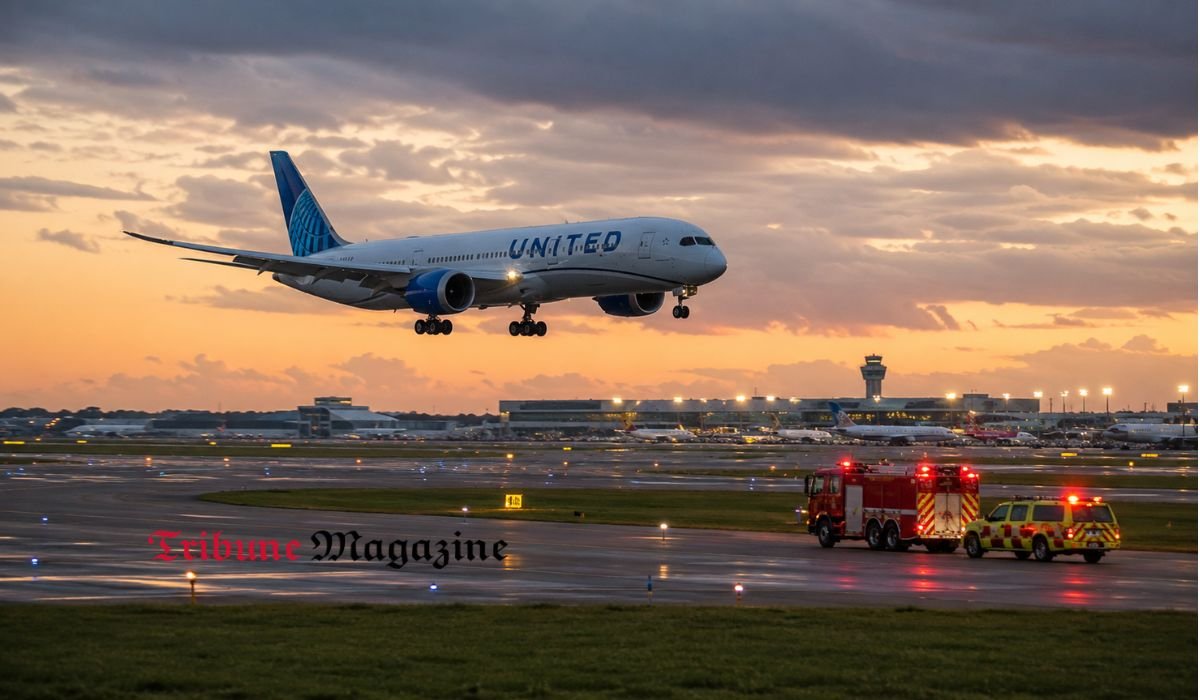
Few things unsettle a traveler more than hearing the plane is turning around. One moment the cabin is quiet and the meal service is underway. The next, the seatbelt sign is on and the crew is preparing to land at an airport nobody bought a ticket to. That is the experience many people connect with the United Airlines Flight UA770 emergency diversion, a story that spread fast across flight-tracking sites and travel forums. It left readers asking one practical question: if this happened to me, what would I be owed?
This guide answers that question. It covers what has been reported about the flight, why airlines divert in the first place, and what your rights look like afterward. Refunds, cash payments, meals, hotels, and rebooking are not favors an airline hands out at its own discretion. In many cases they are legal duties, and knowing the difference separates passengers who walk away with a voucher from those who walk away with money.
What Reportedly Happened on Flight UA770
The most widely circulated version describes a long-haul transatlantic service between Barcelona and Chicago, flown by a Boeing 787-9 Dreamliner. Roughly ninety minutes into the crossing, the flight deck is said to have received a warning tied to the cabin pressurization system. The crew declared an emergency, set the transponder to 7700, and turned toward London Heathrow, where the aircraft landed safely. No injuries were reported, and by most accounts the oxygen masks never dropped.
One detail deserves honesty. The published accounts of this event do not fully agree. Different write-ups give different dates, departure cities, and even aircraft types, and a few describe a domestic U.S. routing instead. That is a good reason to treat early online reports carefully and to rely on the airline’s own written messages when you build a claim. What is not in dispute is how diversions work in general, and that is where your rights come from.
Why Airlines Divert Flights
A diversion is rarely a sign that something has gone badly wrong. It is usually a sign that a safety system worked as designed. Modern aircraft monitor hundreds of readings in real time, and pilots are trained to act on the first credible warning rather than wait to see how it develops. Landing early costs an airline a great deal of money, so no crew makes that call casually. When they do, it is because the ground is the safest place to be.
Diversion airports are chosen deliberately. Crews weigh runway length, weather, maintenance facilities, medical services, and the airline’s ability to look after a full load of passengers once everyone is off the plane. A major hub is often preferred over a closer but smaller field. The usual triggers behind an unplanned landing include:
- Technical warnings, such as pressurization, hydraulic, or engine alerts
- Medical emergencies involving a passenger or a crew member
- Severe weather or storms blocking the destination airport
- Fuel concerns caused by long holding patterns or strong headwinds
- Security issues or disruptive behavior on board
- Airport closures, runway incidents, or air traffic restrictions ahead
Your Rights Under European and UK Rules
If your flight departs from an airport in the European Union, your protections are strong, and they apply no matter which airline carries you. The same holds for departures from the United Kingdom under its equivalent rules. Because this flight is generally described as leaving Barcelona, that is the framework most readers will care about. It covers delays, cancellations, denied boarding, and diversions, and it places clear duties on the carrier rather than leaving the outcome to goodwill.
Two protections matter most. First, if the aircraft lands at a different airport from the one on your ticket, the airline must carry you onward to your original destination at its own cost. That can mean a connecting flight, a coach, or a train, but it cannot mean leaving you to buy your own ticket. Second, if you arrive more than three hours late, you may be entitled to a fixed cash payment on top of everything else. That payment is separate from a refund and separate from any meals or hotel nights provided.
Rights on Flights Departing the United States
The picture changes for flights leaving the United States. U.S. rules do not require airlines to pay fixed cash compensation for delays or diversions, however long they last. What they do guarantee is a prompt refund when a flight is canceled or significantly changed and you decline the alternative offered, paid back to your original payment method rather than as a voucher. Beyond that, each carrier sets its own commitments in its contract of carriage and customer service plan, which usually promise meals during long delays and hotels for overnight disruptions within its control. Those documents are enforceable, so quote them.
Refunds: When You Get Your Money Back
A refund becomes relevant when the journey no longer does what you paid for. If the airline cannot get you to your destination in a useful time frame, or the reason for the trip has passed, you can normally decline the rebooking and ask for your fare back. Under European rules you may also request a free return flight to your departure point. Choose carefully, because accepting a refund generally ends the airline’s duty to transport you anywhere.
Cash Compensation: What It Is and When It Applies
Fixed compensation is the part travelers most often miss. Under European and UK rules, long-haul flights over 3,500 kilometers attract the highest tier, with a reduced amount when the airline gets you there within a few hours of schedule. The clock that matters is your arrival time at the final destination on your ticket, not the moment the aircraft touched down at the diversion airport. Someone who lands elsewhere in the morning but reaches the booked city late that night has a stronger claim than the landing time suggests.
There is an important exception. Airlines do not have to pay when the cause was an extraordinary circumstance outside their control, such as severe weather, an air traffic control strike, or a bird strike. Routine technical faults, however, are normally treated as part of running an airline, so a mechanical or system warning usually does not excuse the carrier. Airlines sometimes claim otherwise in a first reply, and many passengers accept that without pushing back. You do not have to.
Care and Assistance While You Wait
Separate from money, the airline owes you care during the disruption itself. That means food and drink suited to the waiting time, a hotel room and transport to it if you are stuck overnight, and a way to make calls or send messages. This duty applies even when no cash payment is due, including in bad-weather cases. If the airline fails to provide it and you pay yourself, keep every receipt and claim the cost back later. A modest airport hotel will be reimbursed; a luxury suite will not.
How to Claim, Step by Step
Start while you are still at the airport. Photograph the departure board, note the actual arrival time at your final destination, and keep boarding passes, bag tags, and every message the airline sends. Ask a staff member for the stated reason for the diversion, then write down what you are told. Afterward, submit a short, factual claim through the airline’s official form: flight number, date, booking reference, total arrival delay, and a clear statement of what you want, with receipts attached. If the reply is a refusal you believe is wrong, escalate to the national enforcement body in the departure country or, in the UK, to an approved dispute scheme. First responses are often automated, so a polite follow-up changes the outcome more often than people expect.
Mistakes That Cost Passengers Money
The most common error is accepting travel vouchers on the spot. Meal and hotel vouchers during the delay form part of the care you are owed, but vouchers offered as a settlement can quietly replace a larger cash entitlement, and they often expire. The second is assuming that a safe landing and a friendly crew mean there is nothing to claim, since the two are unrelated. The third is waiting, because claim windows vary by country and are short in some places. Also check your travel insurance and any coverage attached to the card you booked with, since these fill gaps the airline is not responsible for.
Final Thoughts
At heart, this is a story with a good ending. A warning was noticed, a crew acted early, and everyone walked off the aircraft safely. That is exactly what the safety system is built to do. Yet a safe landing does not erase a missed meeting, a ruined connection, or a night in an unplanned city, and the rules recognize that. Treat the safety outcome and the consumer outcome as separate matters. Thank the crew, keep your documents, check the delay at your true destination, and ask for what the rules provide. Regulations change, so confirm the current thresholds before you file. Passengers who know these basics rarely end up out of pocket, long after one flight fades from the news.
Frequently Asked Questions
What does squawk 7700 mean?
It is a transponder code telling air traffic control the flight has a general emergency. Controllers then give that aircraft priority for descent and landing and alert emergency services on the ground. It does not mean lives are in danger; crews often use it simply to clear a path.
Is a diverted flight the same as a canceled flight?
No, and the difference affects what you are owed. A cancellation means the flight never operates; a diversion means it operates but lands somewhere else. After a diversion the airline must still get you to the destination on your ticket at no extra charge, and if it cannot, refund rights apply.
Do I get compensation if the diversion was caused by weather?
Usually not, because severe weather counts as an extraordinary circumstance and removes the duty to pay. You are still entitled to care, including meals and a hotel if you are stranded overnight, plus rerouting to your final destination or a refund.
Can I claim if a technical fault caused the diversion?
In most cases yes, at least on flights covered by European or UK rules. Routine mechanical and system problems count as part of normal operations, not events beyond the airline’s control. If the carrier refuses on technical grounds, ask it to explain in writing. Many first denials do not survive that step.
How long do I have to file a claim?
The deadline depends on where the flight departed and which law applies, and it ranges from a couple of years to much longer. The safest approach is to file within a few weeks, while your paperwork is fresh and staff can still confirm what happened.
What if the diversion made me miss a connecting flight?
If both flights were on one booking, the airline must rebook you at no cost and look after you until you travel. If you booked them separately, the second airline has no duty to help and you may need a new ticket. This is the gap travel insurance is designed to close.
Should I accept vouchers offered at the airport?
Be cautious. Vouchers for a meal or hotel during the delay are part of the care you are owed and are fine to take. Vouchers offered as a settlement are different, because accepting one can close off a larger cash payment. Ask what the offer covers before signing.
What paperwork should I keep after a diversion?
Keep boarding passes, your booking reference, bag tags, and every message the airline sends. Note the actual arrival time at your final destination, since that number decides most claims, and keep receipts for food, transport, and accommodation. That small file is often the difference between a paid claim and a rejected one.
Don’t Miss This: Best Self Car Wash Near Me Open 24 Hours: How to Find One Fast