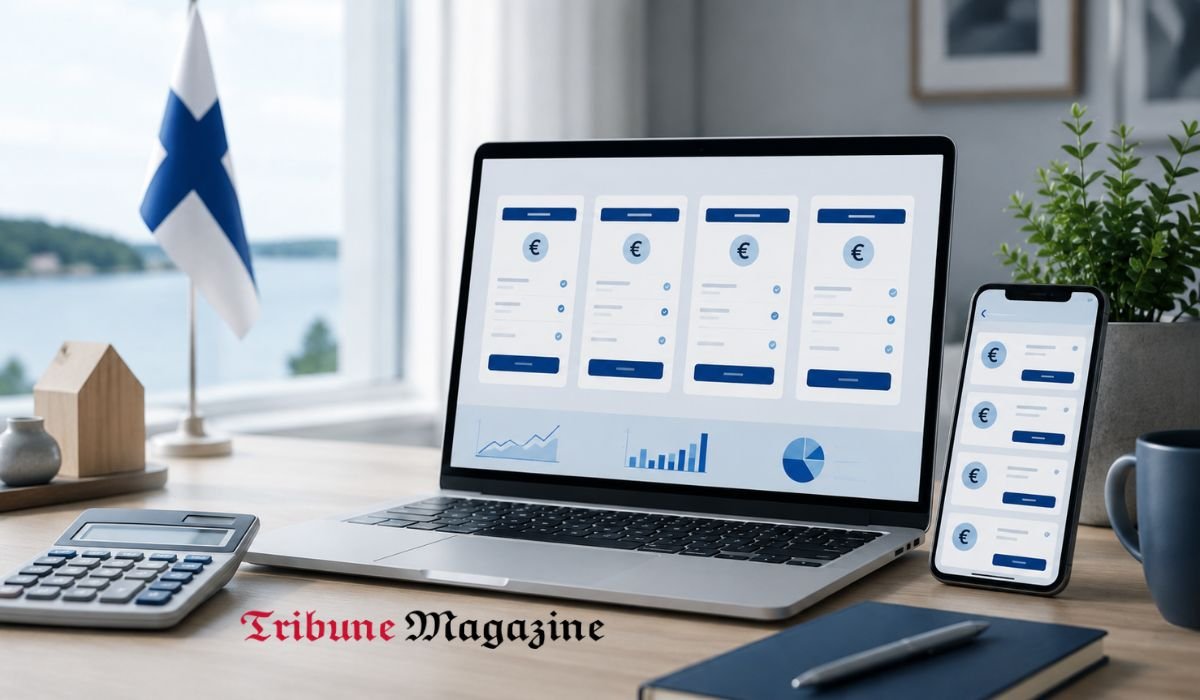
If you have seen the word Onnilaina online and wondered what it means, you are not alone. The term looks unusual to most English speakers, and the pages that appear in search rarely explain it in a clear way. In plain language, it points to a Finnish approach to online loan comparison. Instead of applying to one bank at a time and waiting days for each answer, a borrower fills in one short form and receives several loan offers to review side by side. This guide explains the idea step by step, in simple words, for readers anywhere in the world. You do not need any background in finance to follow it.
What Is Onnilaina?
Onnilaina describes an online service model that connects borrowers with several lenders at the same time. A platform built on this idea is not a bank and usually does not lend its own money. It works as a middle layer. You submit your details once, the system checks which partner lenders may be willing to work with you, and those lenders respond with their own terms. You then compare the offers and decide whether to accept one, or none at all. Nothing is binding until you sign a loan agreement with the lender itself.
It also helps to know that the word is used loosely. Sometimes it appears as the name of a specific service in Finland. Other times it describes the whole style of digital, mobile-friendly borrowing that has become common across the Nordic countries. Because of this, details such as loan limits, interest rates, and fees are never fixed to the term itself. They belong to the individual lender making the offer, and they change from one applicant to the next based on income, credit history, and the amount requested.
Where the Name Comes From
The name blends two Finnish words. “Onni” means luck or happiness, and “laina” means loan. Together they carry a friendly message: borrowing money should feel calm and manageable rather than confusing. That message matters, because long forms, unclear costs, and slow replies push many people into decisions they do not fully understand. Finland and the wider Nordic region were also early adopters of digital banking, online identity checks, and paperless agreements, which made comparison services practical there before other markets caught up.
How the Comparison Process Works
The process usually starts with one application form. You enter basic personal details, your monthly income, your regular expenses, existing debts, and the amount and repayment period you have in mind. The platform then passes this information to its network of partner lenders. Instead of you contacting each company separately, the lenders review the same file and reply with what they can offer. This is the core benefit of the model: one application, many answers.
Offers usually arrive within minutes or hours, though it can take a business day when a lender wants a manual review. Each offer should show the loan amount, the interest rate, the annual percentage rate, any setup or monthly fees, the number of installments, and the total sum you would repay. If you accept one, you sign electronically and the money is transferred to your bank account, often within one to three business days. Approval is never guaranteed, and it is normal to receive fewer offers than expected, or none, if the requested amount does not fit your income.
What Lenders Usually Ask For
Requirements vary by country and by lender, but the pattern is fairly consistent. Applicants are normally expected to be an adult, to live in the country the service operates in, and to hold a bank account in their own name. Lenders also look for steady, verifiable income, whether from employment, self-employment, a pension, or another regular source. Identity is confirmed digitally, often through bank credentials or a national verification method, and a credit check is part of almost every application. A perfect record is not always necessary, but recent payment defaults reduce your chances sharply and may remove some lenders from the list entirely.
Why Borrowers Are Drawn to This Model
People choose loan comparison for practical reasons rather than emotional ones, and the main highlights are easy to summarize:
- Convenience: one application replaces several separate ones, which saves hours of repetitive form filling.
- Choice: seeing multiple offers together makes it obvious which terms are competitive and which are not.
- Clarity: offers follow a standard layout, so interest, fees, and totals can be compared fairly.
- Speed: decisions often arrive the same day, which matters during an unexpected expense.
- No cost to compare: the comparison step is normally free for the borrower, since lenders pay the platform.
- Mobile access: the whole process runs on a phone, with no branch visit and no printed paperwork.
Taken together, these points explain the appeal. The model does not make borrowing cheap or risk-free, but it does remove much of the guesswork that once surrounded personal loans.
Understanding the True Cost
The most important number in any offer is the annual percentage rate, often shown as APR. The plain interest rate only tells part of the story. The annual percentage rate folds in the interest plus most compulsory charges, such as origination fees and account maintenance fees, so it gives a fairer picture of what the loan really costs across a year. When two offers look similar at first glance, this figure usually reveals which one is genuinely cheaper.
The second number worth studying is the total repayable amount. A longer repayment period lowers the monthly installment, which feels comfortable, but it raises the total cost because interest is charged over more months. A shorter period does the opposite. Before accepting anything, check the monthly payment against your actual budget, then check the total against what you are borrowing. If the gap between those two figures surprises you, that is a signal to slow down and rethink the amount or the term.
Comparison Platforms Versus a Traditional Bank Loan
A traditional bank loan still has real advantages. If you have a long relationship with your bank, a strong salary history, and a clean record, your own bank may offer a rate that is hard to beat. The trade-off is time and reach, because you see one answer from one institution, and a disappointing reply means starting again elsewhere. The comparison route flips that: you lose the personal relationship but gain breadth and speed. Many borrowers use both, asking their own bank first and then running a comparison to see whether the wider market can beat that number.
Safety, Privacy, and Avoiding Fake Sites
Because this model involves sharing income details and identity information, safety deserves real attention. Legitimate services work with regulated lenders, explain clearly which partners receive your data, use encrypted connections, and publish contact and company registration details. Warning signs are easier to spot than people assume. Be cautious of any site that asks for an upfront payment before releasing a loan, guarantees approval without checking anything, pressures you to decide immediately, or communicates only through messaging apps. Genuine lenders deduct their fees from the loan or add them to the schedule; they never ask you to send money first.
Repayment and Staying in Control
Once a loan is active, repayment usually runs as fixed monthly installments taken from your bank account on the same date each month. Many lenders allow extra payments or early settlement, which can cut the interest you pay, though some apply a small charge for closing a loan ahead of schedule. Late payments are the expensive part, since they trigger penalty fees, add interest, and can be reported to credit registers. If money becomes tight, contacting the lender early is far better than missing a payment quietly, because most companies can adjust a due date or restructure a plan when they hear from you in time.
Alternatives Worth Considering First
Comparison platforms are not the only route, and they are not always the cheapest. A loan from your own bank, a cooperative or credit union loan, an overdraft, or a low-rate credit card may cost less depending on your situation, and peer-to-peer lending is an option in some markets. For smaller shortfalls, an employer salary advance, a repayment plan agreed directly with a service provider, or simply waiting and using savings can avoid interest altogether. The healthiest approach is to check whether the expense truly needs financing before deciding how to finance it.
Final Thoughts
Onnilaina is best understood not as a mysterious product but as a simple, practical idea: gather several loan offers in one place so a borrower can compare them honestly and choose with a clear head. The Finnish roots of the word capture that intention well, linking the notion of a loan with the hope that borrowing feels light rather than heavy. Used carefully, this model saves time, widens your options, and makes real costs much easier to see.
Still, the platform never carries the debt for you. The lender sets the terms, and you carry the repayment. Borrow only what you actually need, read the annual percentage rate and the total repayable figure before signing, keep the monthly installment inside a budget you can defend, and walk away from any offer that feels rushed or unclear. A comparison tool works best when it supports a decision you were already prepared to make thoughtfully.
Frequently Asked Questions (FAQs)
Is Onnilaina a bank?
No. It describes a comparison service rather than a lender, so it does not hold your money or issue the loan itself. The agreement is made with a partner lender that reviews your application and sets the terms. Questions about interest, fees, or repayment therefore go to the lender, not the platform.
Does comparing loan offers cost money?
In most cases the comparison itself is free for the borrower, because these services are paid a commission by lenders when a loan is agreed. You should still read the terms closely, since the loan you accept carries its own interest and possible fees even though the comparison step cost you nothing.
Will applying hurt my credit score?
It depends on the market and the lender, as some checks are recorded on your credit file. A burst of separate applications over a short period can look concerning to future lenders. The advantage of this model is that one submission can reach several lenders at once, which is generally gentler on your record.
How fast can the money arrive?
Offers often appear within minutes, and once you sign, funds commonly reach your account within one to three business days. The exact timing depends on the lender, your bank, and whether the application needs a manual review. Weekends and public holidays can add a short delay.
Can I get an offer with a poor credit history?
Sometimes, but the options narrow and the rates rise, because lenders price the extra risk into the offer. Recent payment defaults are the biggest barrier and may block approval completely. In that situation it is usually wiser to repair the record first rather than accept expensive credit.
What documents do I usually need?
Most applications rely on digital verification rather than paper, so you often need only your identity credentials and bank access. Some lenders ask for proof of income, such as recent payslips or bank statements, especially for larger amounts. Self-employed applicants are more likely to be asked for extra documents.
Can I repay a loan early?
Usually yes, and paying early can reduce the total interest you owe. Some agreements include a small charge for early settlement, so check that clause before signing. If lowering the overall cost is your goal, ask the lender to confirm in writing how early repayment is calculated.
Is it safe to share my income details online?
It can be, provided the service is legitimate and clearly regulated. Look for encrypted connections, a published company registration, a readable privacy notice, and a named list of partner lenders. Avoid any site that guarantees approval, demands payment before releasing funds, or contacts you out of the blue.
Don’t Miss This: Kandi Hall: The Shocking Truth Behind Her Marriage to Rob Hall